What's Included
- 01Water Mitigation
- 02Emergency Extraction
- 03Structural Drying
- 04Storm & Flood Cleanup
- 05Burst Pipe Repair
- 06Sewage Cleanup
- 07Content Restoration
- 08Drywall Repair
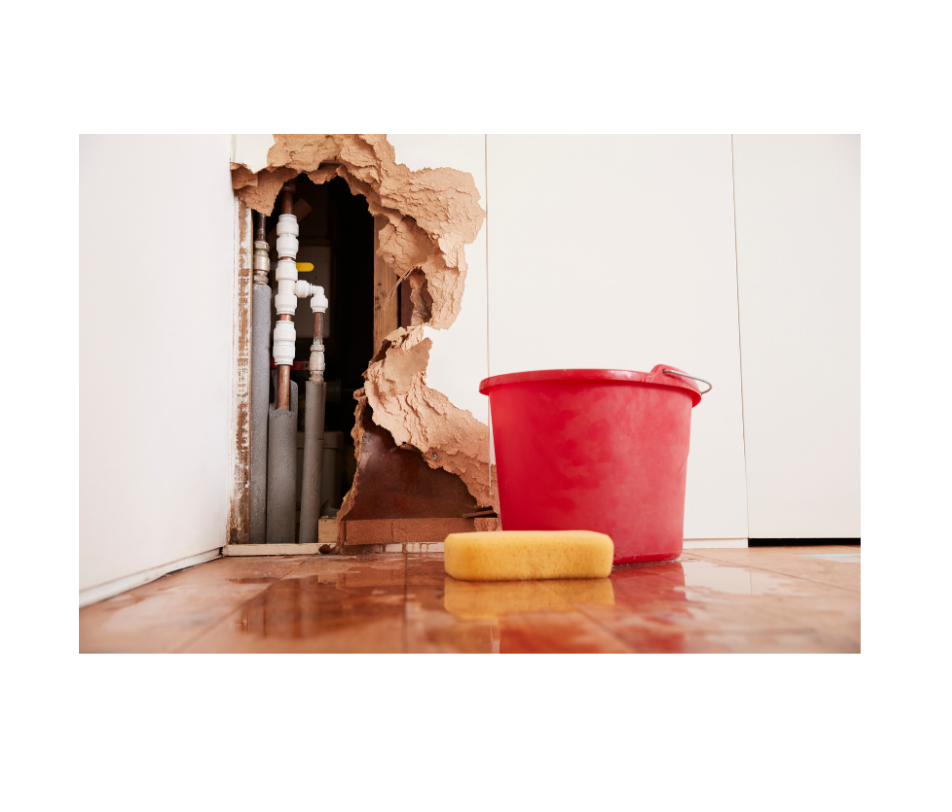
When water gets into a Copiague home, the first hours matter most. Crews extract standing water and begin structural drying right away. Restoration referral service — calls connect you with a licensed, insured, IICRC-certified local crew.
Call 631-614-5063Copiague (11726) sits on Suffolk's South Shore, with Lindenhurst, Amityville and Babylon nearby. The National Weather Service recorded record flooding along the Great South Bay during Hurricane Sandy in 2012, with surge of roughly 6 to 7 feet on the southwest Suffolk shore.
Many Suffolk properties use cesspools or septic systems instead of sewers, so a backup can bring sewage, not just water, into a home. When heavy rain arrives at high tide, water has nowhere to go, and basements and first floors take it on. Bay flooding is salt water carrying silt and debris, so cleanup goes well beyond the drying used for a clean-water pipe break.
Knowing these local patterns helps crews in Copiague look in the right places first and avoid repeat problems.
Nearby areas served include Lindenhurst, Amityville and Babylon. Crews also handle fire and smoke damage in Copiague and mold remediation in Copiague.
If it is safe, stop the water source, turn off power to affected areas, and move valuables to a dry place. Take photos for your insurance claim.
Coverage depends on the cause and your policy. Sudden events are commonly covered, and crews provide documentation for the claim.
A backup is sewage, not clean water, so crews contain the area, remove affected materials, and sanitize. Coverage for sewer or septic backup varies by policy, so ask your carrier.
Crews handle bay and surge flooding, which involves salt water and debris and usually needs more than drying alone.
That depends on the water source and the damage. Contaminated water or electrical hazards can make a home unsafe, and crews can advise after a quick assessment.