What's Included
- 01Water Mitigation
- 02Emergency Extraction
- 03Structural Drying
- 04Storm & Flood Cleanup
- 05Burst Pipe Repair
- 06Sewage Cleanup
- 07Content Restoration
- 08Drywall Repair
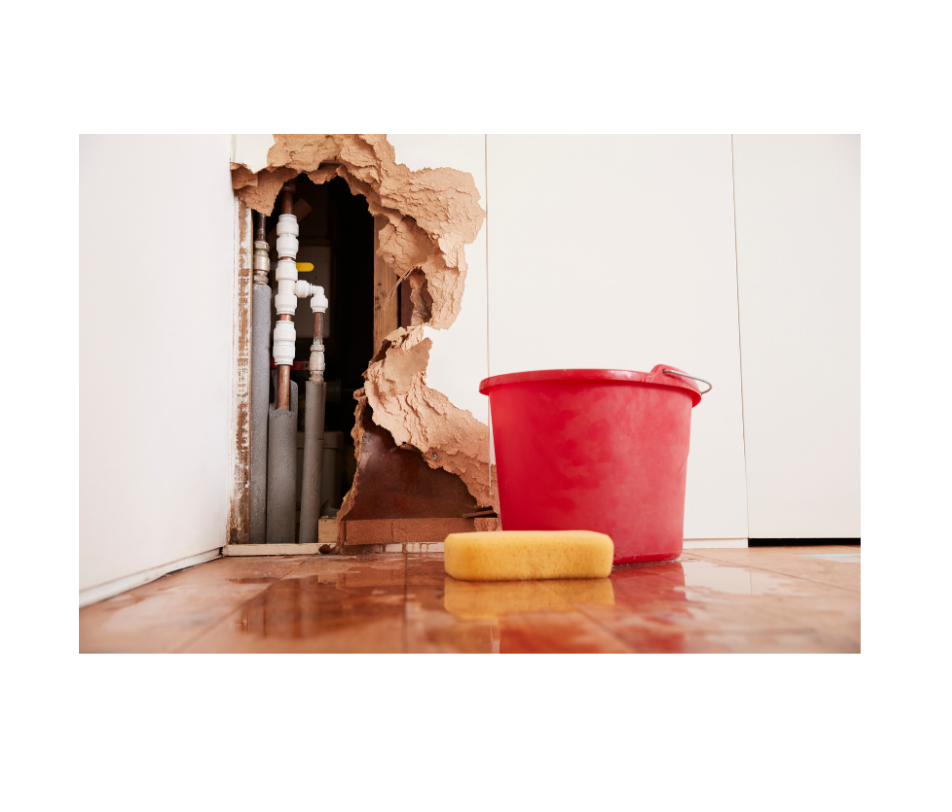
Water spreads fast in East Islip. Local crews extract, dry, and dehumidify around the clock before a leak becomes a total loss. Restoration referral service — calls connect you with a licensed, insured, IICRC-certified local crew.
Call 631-614-5063East Islip (11730) sits on Suffolk's South Shore, with Great River, Islip and Oakdale nearby. The National Weather Service recorded record flooding along the Great South Bay during Hurricane Sandy in 2012, with surge of roughly 6 to 7 feet on the southwest Suffolk shore.
The August 2014 storm dropped a state-record 13.26 inches of rain on Islip, and basements in the surrounding area flooded. Water from the bay is not clean water, and sanitizing and removing affected materials is a bigger part of the job. Low-lying streets near the water can flood from the bay and from the sky at the same time.
In practice, crews in East Islip focus on stopping the source, removing standing water quickly, and drying structure and contents to acceptable moisture levels.
Crews also serve nearby Great River, Islip and Oakdale. Crews also handle fire and smoke damage in East Islip and mold remediation in East Islip.
Sewage from a failed cesspool or septic system needs containment and sanitizing, not just drying. Many policies treat backups separately, so check what yours covers.
Moisture left in walls and under floors encourages mold and can warp flooring and swell framing, so complete drying matters.
Yes. Salt-water flooding calls for extraction, removal of contaminated materials, sanitizing, and thorough drying, and documentation matters for flood-policy claims.
Drying time varies with the extent of water, the materials, and conditions, and it is monitored until moisture readings reach normal levels.
Safety depends on contamination and electrical conditions. Crews assess the situation and advise on whether to stay.